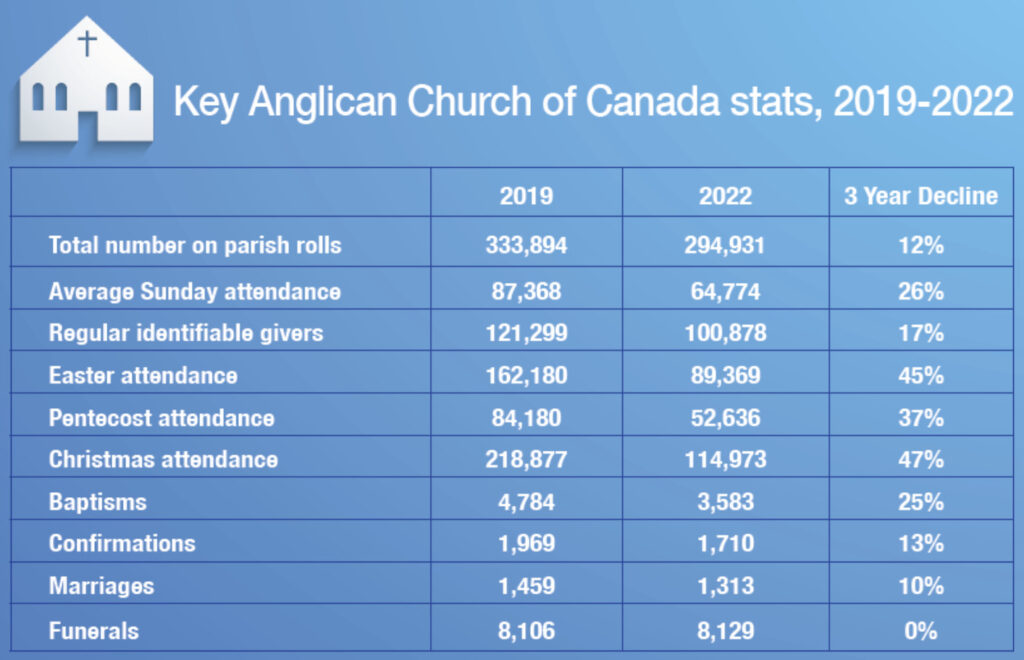
In 2023, Christmas and Easter attendance was down 20 and 26 percent respectively compared to 2017, and up 50 and 41 percent from the 2020 and 2021 COVID panic years.
Average Sunday attendance fell by 9 percent in 2023.
You can read more in this article which attempts to grope for strands of optimism amid the gathering gloom.
The odd thing is that the ACoC is more preoccupied with attendance numbers than it is the number of people who, though its ministry, have become Christians.
Could it have something to do with money, salary and pensions?
According to data available as this issue was being prepared, attendance at Anglican Church of Canada Easter and Christmas services rose by 41 and 50 per cent respectively in 2023, even while average Sunday attendance fell by nine per cent over the same period—substantially faster than the decline of about 2.5 per cent per year before the pandemic, says the church’s statistics officer, Canon Neil Elliot.
Attendance statistics for 2023 are the most recent available as it typically takes dioceses some time to gather, consolidate and report data from all of their parishes. Even so, only 26 of 30 dioceses had reported their 2023 attendance numbers as of early January. Where data were not available, Elliot used 2022 numbers to complete the picture, meaning the numbers may be different in the final tally.
The figures for Christmas and Easter, Elliot says, are still 20 and 26 per cent below 2017 levels, suggesting the bounce-back has not reversed the overall trend of decline. Still, they represent more of a recovery than he had expected from the pandemic-era low points of 2020 and 2021. When he released the 2022 statistics, Elliot said he thought it was unlikely the church would see much more of an increase in attendance, as it seemed safe to assume that people who wanted to return to church after COVID-19 shutdowns had done so. But the surprising increase in holy day attendance in 2023, he says, is evidence the church remains in an unpredictable time.

 Dear Prime Minister:
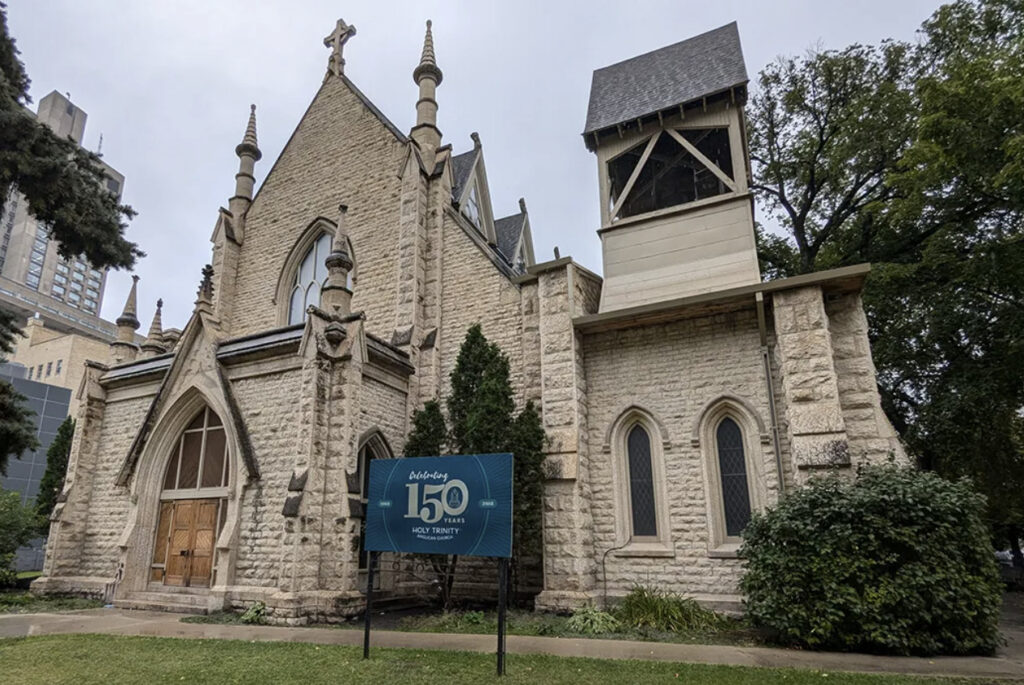 The destruction by fire of St. Anne’s Anglican Church in Toronto last June underscores risks faced by aging churches across Canada, an architectural historian says—and the country could face significant loss of cultural heritage in the years to come.
 A primate’s commission tasked with rethinking church structures is encouraging Anglicans to provide feedback on its seven intentionally provocative statements or “hypotheses” through an online survey.
 What to do? How do we change paths? It’s a tall order, but not an impossibility if we can finally dispense with that perversely erroneous, discredited tenet of Enlightenment philosophy that defines humanity as irredeemably wicked, and instead remember that we are innately good. Born that way. It’s a truth that’s available to each of us through common sense and reflection. It is acknowledged and celebrated in classical Greek philosophy and all the great monotheistic religions. In my careers as a journalist and academic I’ve watched for decades as that ancient moral insight has gained the reinforcement of social-scientific researchers, reluctant though they may be to involve themselves with metaphysics.
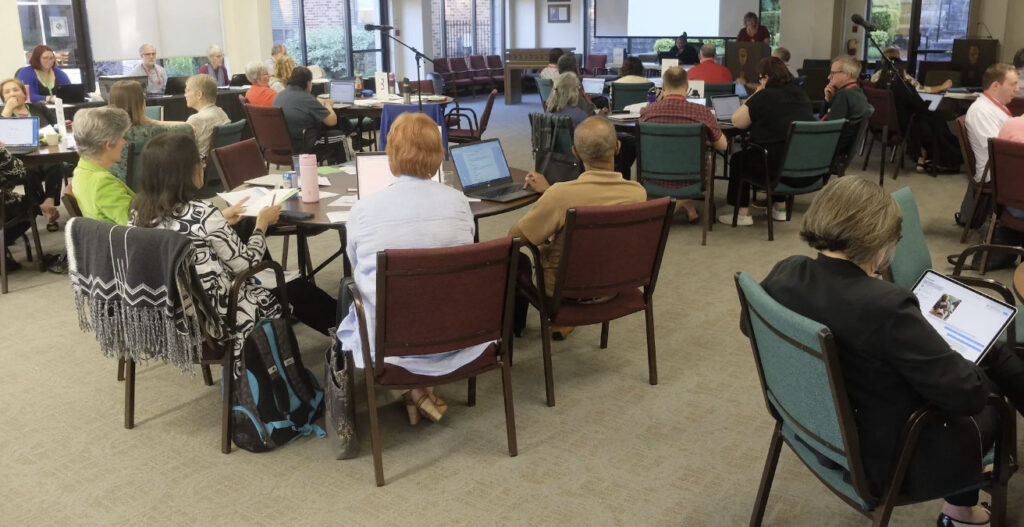 He recommends that conversations about the future of the church be convened around the theming of the five “transformational commitments” in the church’s latest strategic plan. Doing so, he says, “could be an instrument to aid in the renewal and rejuvenation of the General Synod and perhaps begin a process of devolving some powers and responsibilities to provinces and dioceses.”
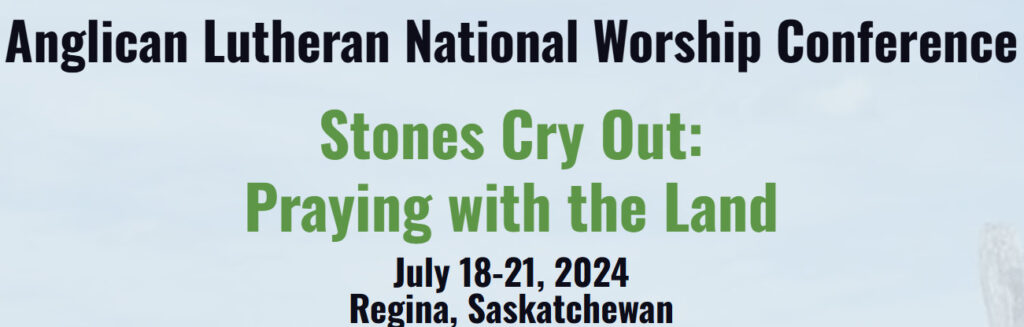 Berringer said she expected the subject matter of this year’s conference to be sensitive and controversial. The event’s website describes its purpose as exploring what it means to decolonize expressions of worship in the Anglican and Lutheran churches. Berringer says it’s about identifying the ways in which Anglicans and Lutherans from outside European-derived culture don’t see themselves reflected in the churches’ worship, and about finding ways to make it their own.