More here.
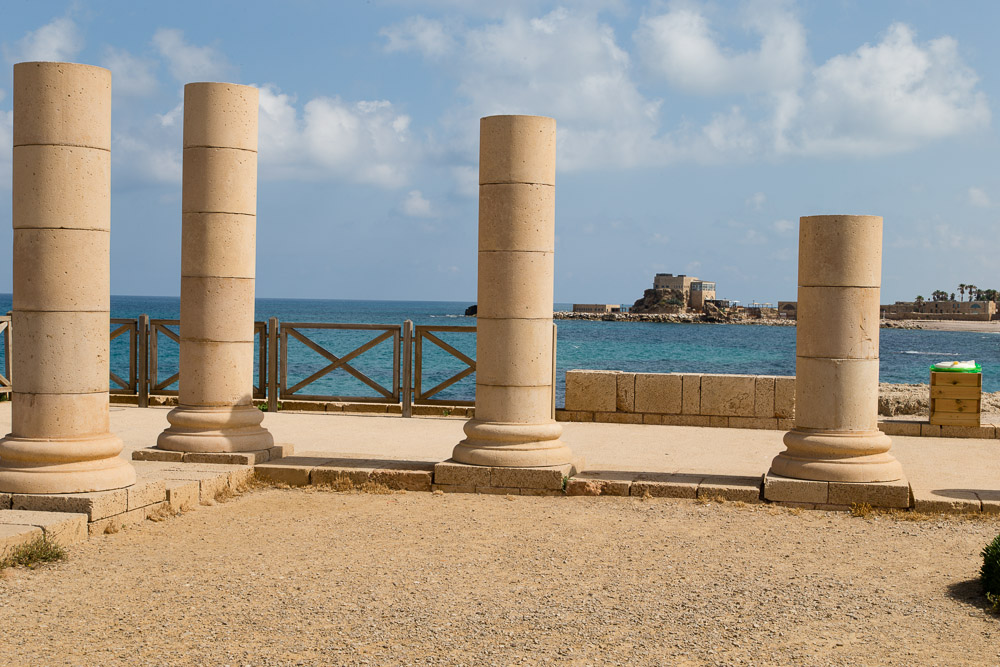
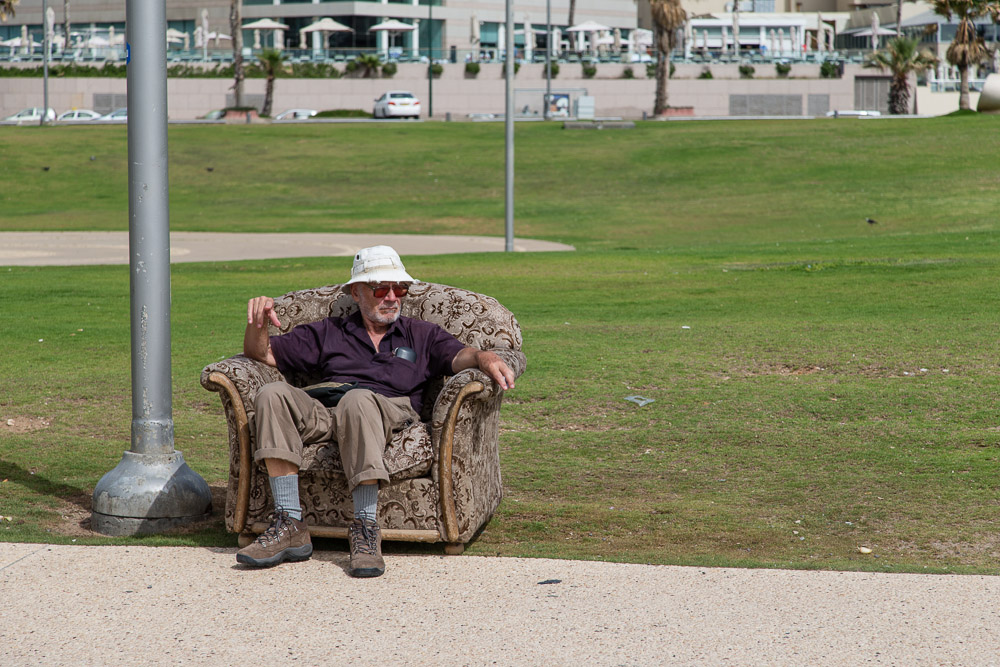
View from our hotel:
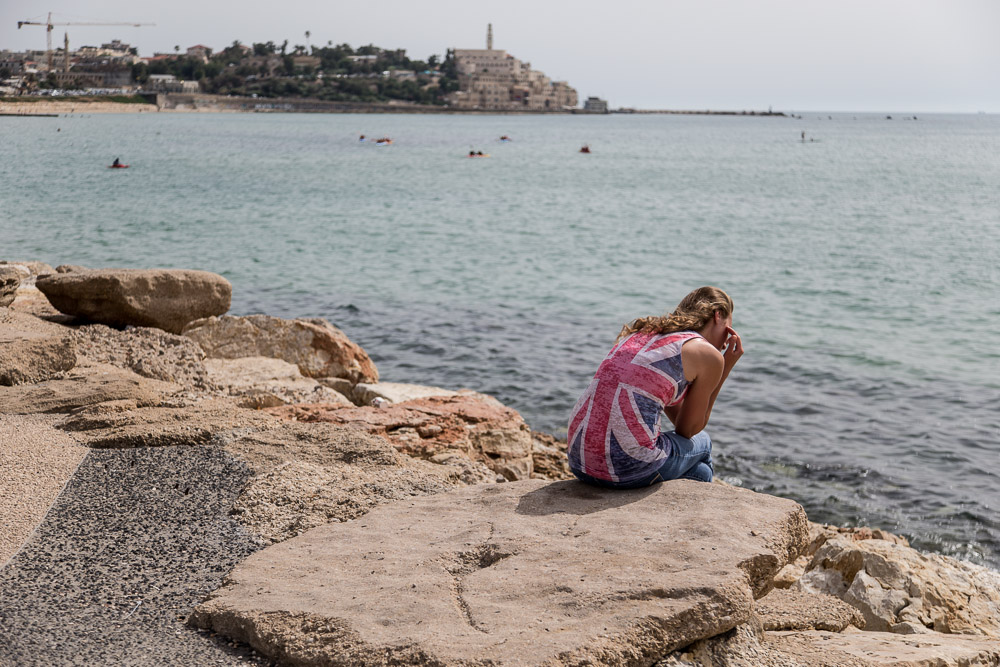
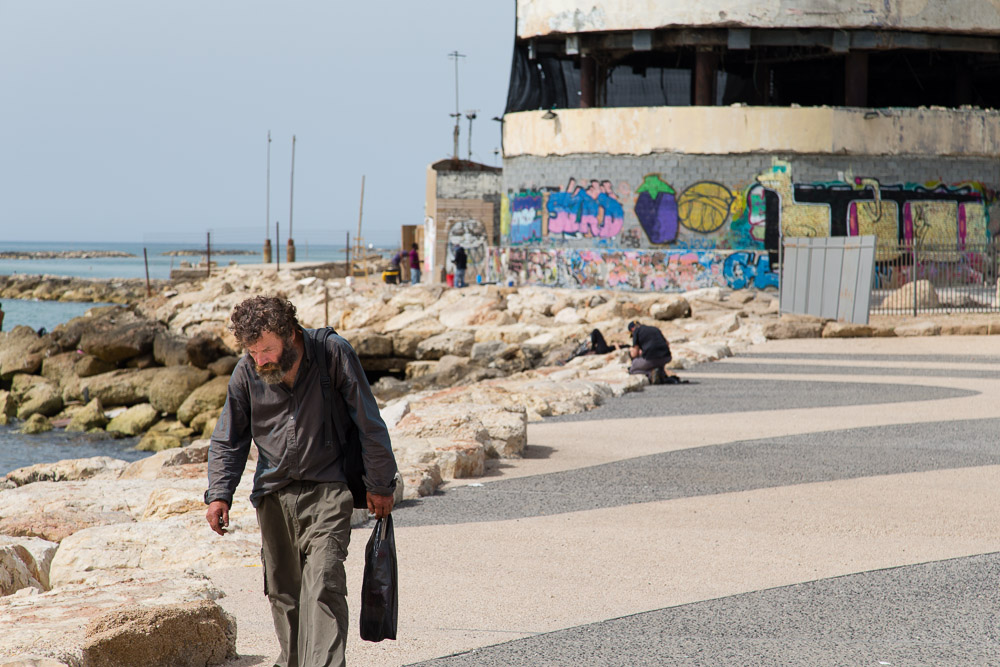
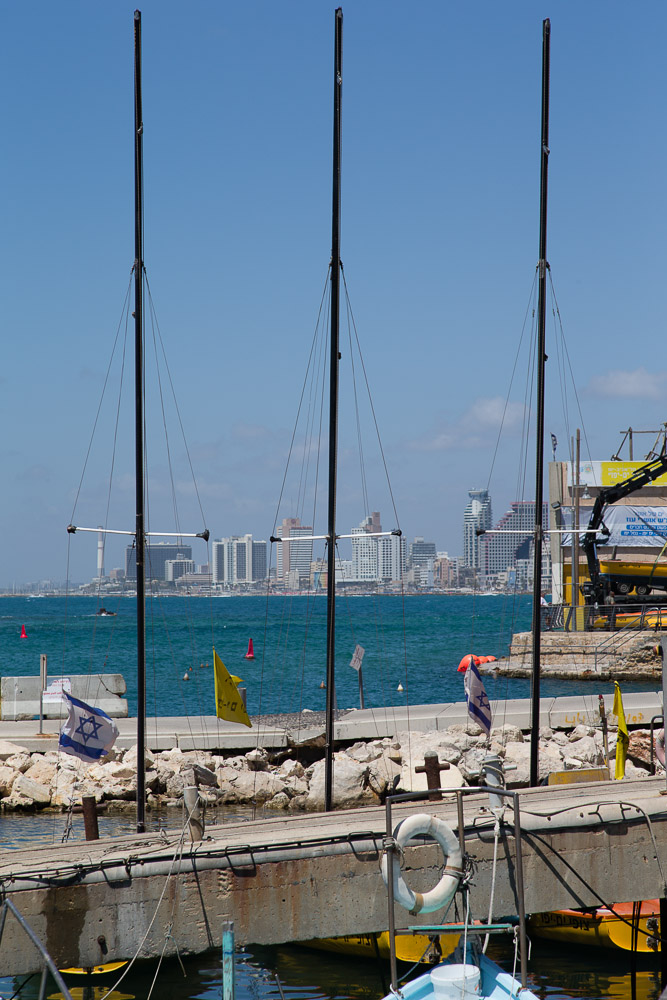
Along the sea front in Tel Aviv:
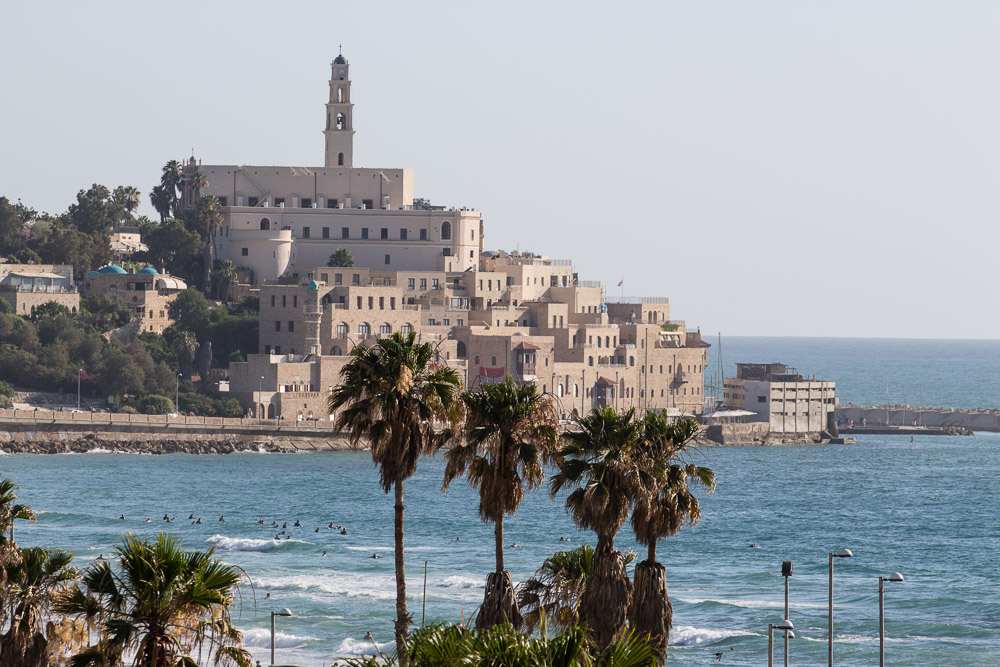
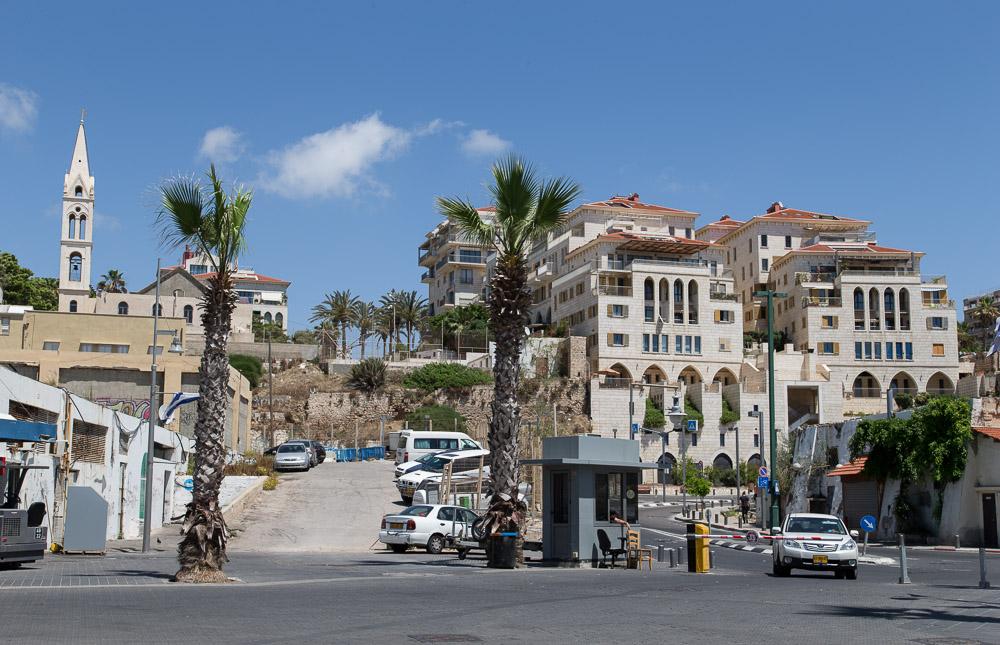
Jaffa (Joppa):
When St. Hilda’s congregation left the Diocese of Niagara in 2008, bishops Spence and Bird sent the congregation a letter saying, among other things: “be assured that we are prepared to keep the doors of this beautiful church open and will offer every support and pastoral care to those who choose to stay.”
Five years later, not only are the doors not open, but the church has been barricaded with concrete blocks large enough to serve as tank traps.
Yesterday morning after a friend passed the building, she phoned me to let me know that there were three police cars in the driveway along with another car containing someone bearing a strong resemblance to Dean Peter Wall. I suspect that either someone had broken in and was squatting – in which case the diocese would have nothing to complain of since it is so keen on Occupy – or there had been an act of vandalism.
The back door does have some new decoration:
I can’t decide whether the symbol represents something satanic or is a new diocesan emblem.
In other parts of the property weeds have taken over what used to be attractive gardens:
It’s just as well the church sign is still announcing who is responsible for the empty, disintegrating, graffiti besmirched shell:
Here are the inviting concrete blocks in all their inclusive splendour:
From here:
Suicide notes were found with the bodies of a couple who took their own lives last week, police sources said.
Lynne Rosen, 46, and John Littig, 48, who worked as ‘happiness gurus’ and motivational speakers, allegedly left two notes at their home in Brooklyn, New York.
[…..]
They hosted a monthly radio show together called ‘The Pursuit of Happiness’ on WBAI-FM.
A sad but fitting metaphor for the land that has enshrined the pursuit of happiness in its Declaration of Independence. There is nothing that makes happiness more elusive than pursuing it.
As William Blake observed:
He who binds to himself a joy
Does the winged life destroy;
But he who kisses the joy as it flies
Lives in eternity’s sun rise.
The truth is, there never was much of a fight. Western Anglicanism is dominated by comfortably tenured bishops whose interests lie in swimming with the cultural tide while indulging in leftist dabblings from the safely of their ecclesiastical plousiocracy. It is more fun to criticise banks than to stand up for traditional marriage. In Anglican Newspeak this is known as prophetic social justice making.
From here:
In a short statement, the established Church said that the scale of the majorities in both the Commons and Lords made clear that it is the will of Parliament that same sex couples “should” be allowed to marry.
The Bishop of Leicester, who leads the bishops in the House of Lords, said they would now concentrate their efforts on “improving” rather than halting an historic redefinition of marriage.
A reader has kindly spent some time putting the ACoC statistics found here into a spreadsheet and has come up with some interesting results. Since the ACoC stopped publishing membership numbers after 2001, the graphs end there.
The spreadsheet is here and below are some of the graphs generated.
Total membership and confirmed members; remember this is the number on the parish roles not the number attending each Sunday:

The number of active bishops; this number has increased slightly in spite of a decrease in membership, a sign that the ACoC is becoming a top-heavy organisation:

Members per bishop:

Number of active clergy including bishops:

Members per clergy:

When the principal secretary to Fred Hiltz, Paul Feheley, was appointed editor of the Anglican Journal, some questioned whether this would compromise the paper’s editorial independence.
The Journal gets a $596,627 subsidy from Canadian Heritage – from our taxes – but only if it maintains editorial independence; since it involves money, this is an important issue for the church.
Doubts I may have harboured about the Journal’s editorial independence were allayed somewhat when the article about my little spat with Michael Bird appeared.
However, the doubts – which I am doing my best to embrace – were reinvigorated when, the day after the article appeared, five paragraphs mysteriously vanished; ENS also carried the article and the same thing happened there.
Presumably, somebody contacted the Journal and ENS to ask for the removal of the now expunged material. I have no idea who.
St. John’s Shaughnessy has a new website whose first page trumpets that one belief is as good as any other, doubt should be “embraced”, diversity celebrated and – in what is probably a subconscious dig at J.I. Packer – Knowing God is presumptuous. Unsurprisingly, their road is one “less travelled” – particularly by Christians:
St. John’s Shaughnessy is a small but flourishing congregation,
living our calling as Christians by faithfully walking the Anglican path.
Our road is less travelled.We do not claim absolute knowledge of the Divine.
We really welcome everyone and are enriched by the dynamic tension of differing beliefs.
We embrace doubt. Pray hopefully. And celebrate diversity.
Just when I had reached a nadir of despair at the plight of Anglicanism in Canada, I stumbled across this and was electrified by a frisson of excitement; the Canadian Anglican Church is alive and well:
Anglican tea and plant sale
Jean Comstock, right, identifies a couple of plants at the Anglican/Lutheran annual tea, bake sale and plant sale May 25 at the church hall. Audrey Egger, left, was manning the plant tables, and Georgie Anderson, centre, is trying to choose some plants. Plants for the sale came from local gardens.
Lynne Maynard reports that the annual Anglican/Lutheran tea, bake sale and plant sale was a huge success, with almost $1,000 raised.Shirley Hawk won the cake raffle, which she donated for re-selling, and Nana Joumblat purchased it for promotion for Sweet Queen.
Ed Maynard’s cream puffs were in high demand.
Michael Ingham preached his last synod sermon at the recent Diocese of New Westminster synod.
If reports on the diocesan website are to be believed, it was greeted with adulation:
When he finished his remarks, the prolonged standing ovation partly answered his challenge.
In the sermon he likened the court battles in which he participated and appeared to be only too eager to fight, to “crucifixion”:
I had never been trained in seminary to spend two days on a witness stand in the Supreme Court of British Columbia.
And yet now, twenty years later, many things have changed for the better. We know the word Indaba; we understand something of the depth and complexity of dialogue; we have with us a new friend and companion, Bishop Tengatenga, who has traveled all the way from Africa to build new bridges between the Church in the North and the Church in the South. Out of crucifixion is coming new life.
Having won the court battles and, therefore, not actually having to sacrifice any buildings, Ingham goes on to note that buildings are really not that important after all:
we have a great treasure: it is the Gospel of Jesus Christ. It is a treasure worth far more than all the things we want to cling on to: our buildings, our properties
In spite of the mass exodus of conservatives from the diocese, it is apparent that not all malcontents have fled; murmurings of discontent at the diocese being little more than an ecclesiastical CRA must be rife since Ingham took the opportunity to deny it:
the Diocese” is all of us here. It’s not a group of people somewhere else. It’s not a taxation centre that robs us of our few remaining pennies.
It is only fair to give a departing bishop the last cliché sequence, so here it is; I trust it will move you as much as it moved me:
I realized how insightful and articulate I used to be! But it wasn’t just an exercise in nostalgia. I wanted to see how far we have come, and how much we have remained the same. It’s always a matter of both, not one or the other. We’ve come a long way, but there are miles to go.